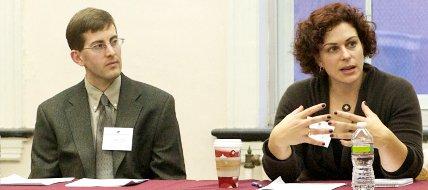
Nic John Ramos
Yale University
Yale University
333 Cedar Street, SHM L-115
New Haven, CT 06510
It is well known that emergency medicine as a modern medical discipline arose in the late 1960s and early 1970s after the federal government’s investment in research and technology to address “accidents” as a top killer of American citizens. It is less known, however, how such a turn towards addressing “accidents” coincided with the federal government’s turn away from anti-poverty programs and the normalization of working poverty and urban violence as “normal” and “expected” features of modern American life. Looking at the institutional records of King-Drew Medical Center, a Black-led Academic Medical Center built as a response to the 1965 Watts Uprisings, and founding actors in emergency medical systems such as James O. Page, this paper looks at how federal and local officials turned to take advantage of Black Los Angeles’s number of gunshot wounds and stabbing victims to produce new life-saving technologies. The paper argues that the demonstration of emergency medical technology and infrastructure through the racialized injured urban subject helped augur the infrastructure and expertise of war/military medicine for domestic use while increasing the profitability and demand for emergency medicine in white suburban enclaves. The effect not only normalized emergency medicine but also prevented citizens from making deeper demands on the government to pass gun control, legislate new anti-poverty programs, and end racial inequality.