Image
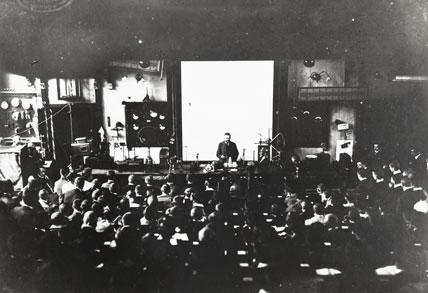
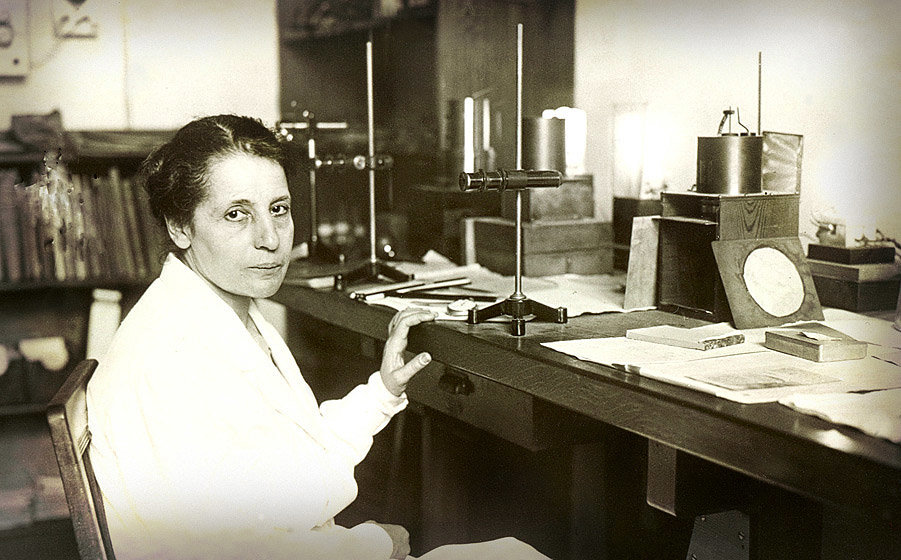
Otto Lummer (1860-1925), at Breslau on his 60th Birthday
Image courtesy of the American Philosophical Society
Perspectives is an ever-growing library of podcasts, videos, and essays on the history of science, technology and medicine, along with resources for further learning and opportunities to engage in ongoing conversations.
Perspectives provides discussions with leading scholars, interviews with recent authors, and archival highlights from the exceptional collections of Consortium member institutions.
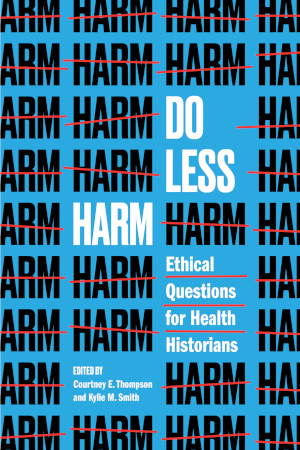
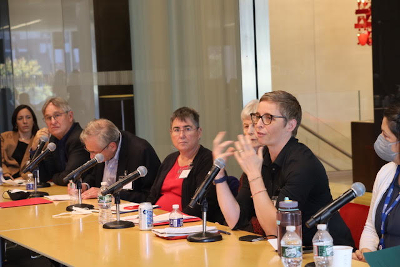

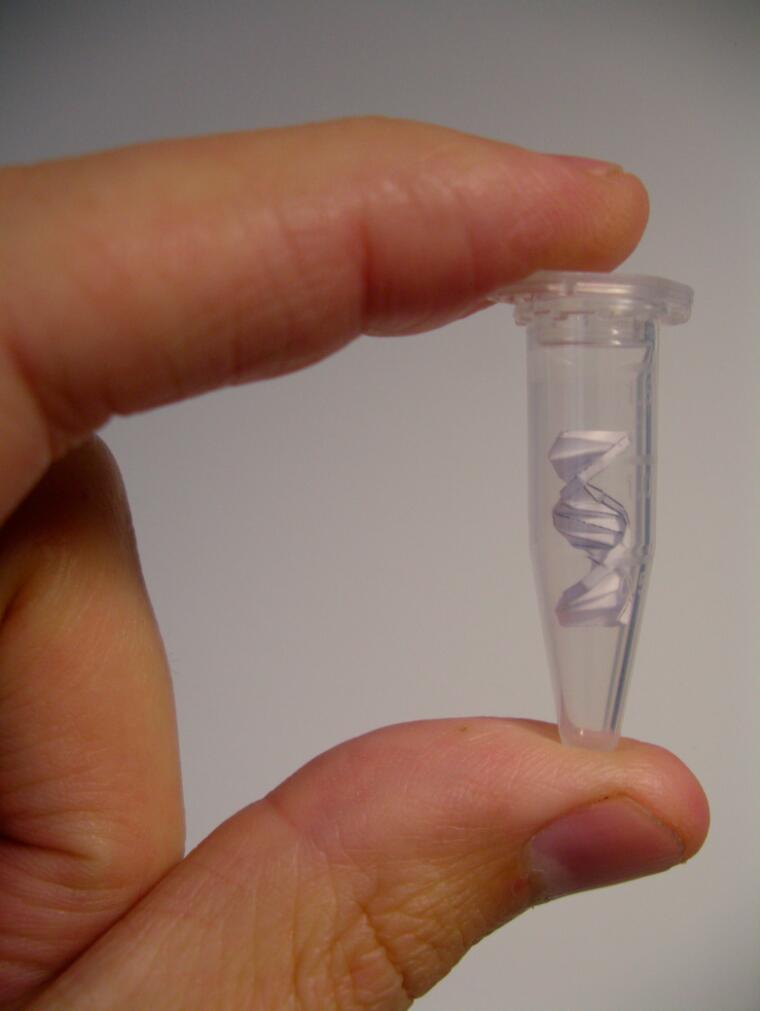
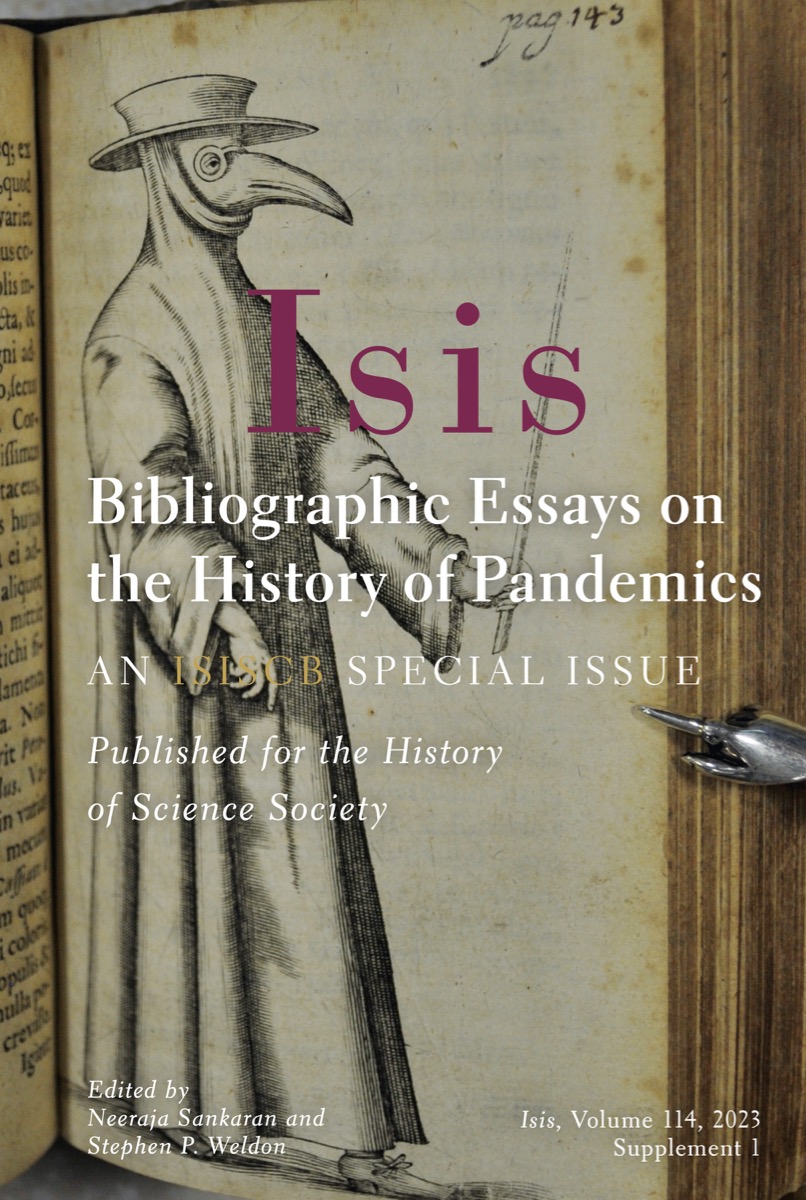










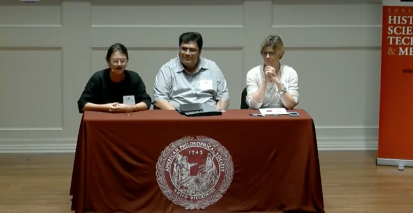

Explore historical perspectives on the contemporary issue of biobanking and the scientific collection of human biological materials.
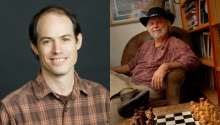
Join American historian Billy Smith, and epidemiologist Michael Levy, for a conversation that uses both science and history to understand the intersection of urban development and the spread of contagions.

What are the historical roots of resistance to vaccination? What is the data about contemporary attitudes? How do these attitudes relate to changing social, economic and political contexts? How do these issues play out in the relationship between a doctor and a patient?
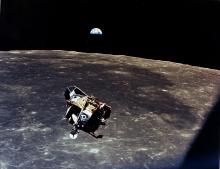
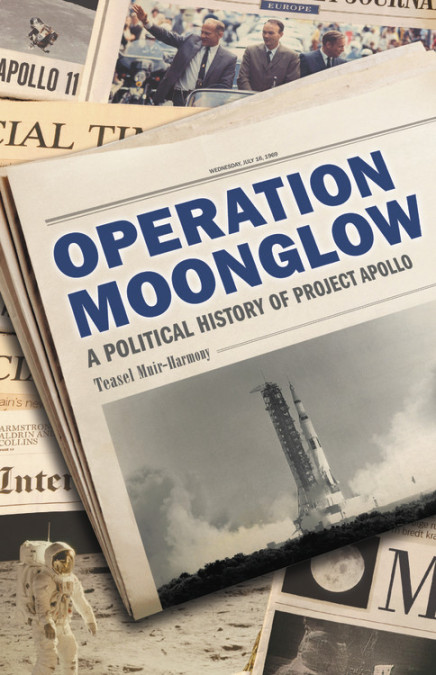
The advancement of space science, the allure of profiting on lunar resources, and ideas for a permanent human presence on the Moon are raising attention. They also generate controversy and pose challenging questions.
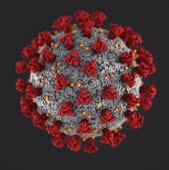
Listen to this series of perspectives on the COVID-19 pandemic from renowned scholars in the humanities and social sciences. There are currently twelve episodes in the series, looking at COVID-19 and its historical antecedents from diverse viewpoints and in places such as India, Brazil, China, Iran, South Africa, and the United States.
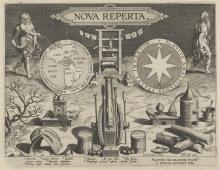
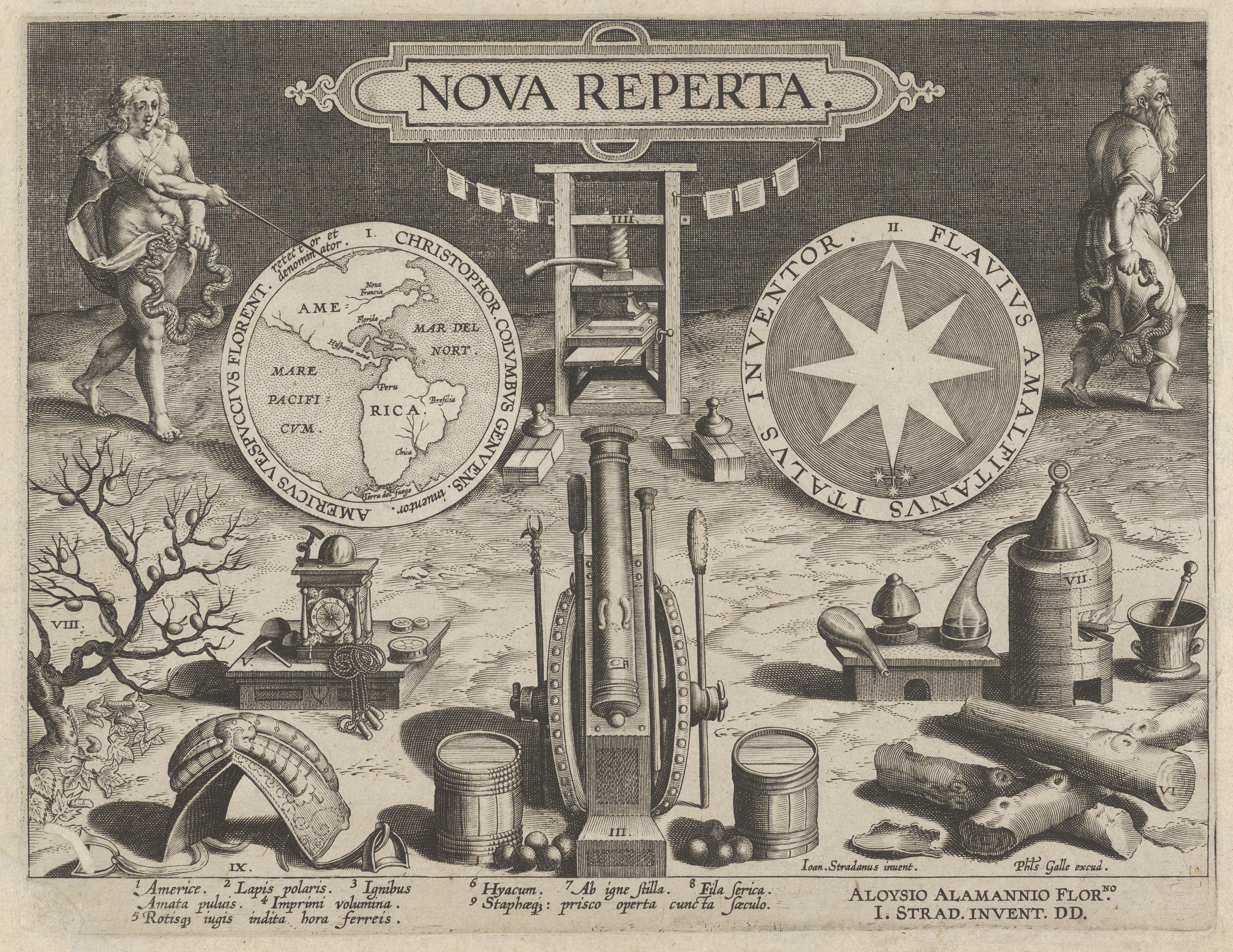
Beginning with an in-depth look at Johannes Stradanus's Nova Reperta, explore the interplay between invention, social change, and economic development from the Renaissance to today.
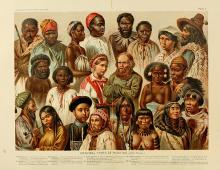
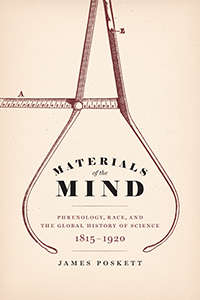
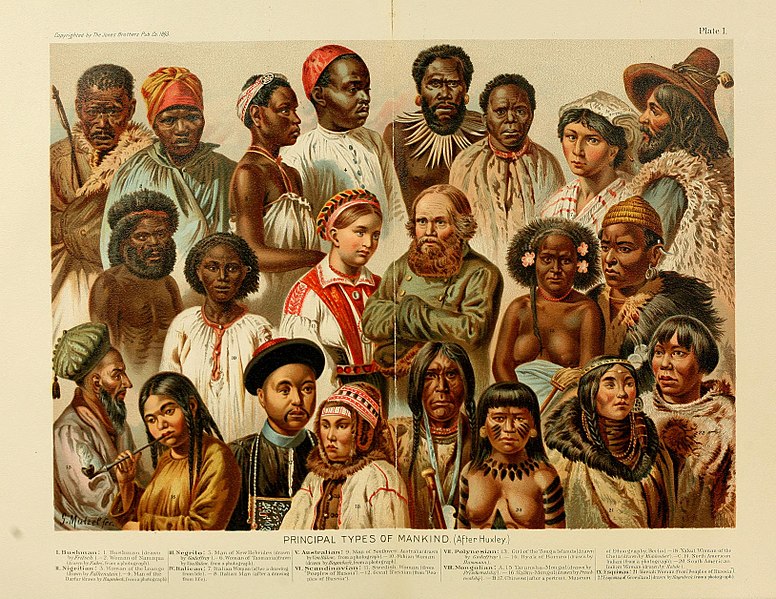
Listen to this ongoing series of perspectives on the history of racial science from scholars in the humanities and social sciences. There are currently eight episodes in the series that investigate the intersections of science and race in the United States, Latin America, Western Europe, South Africa, the Middle East, and Australia.

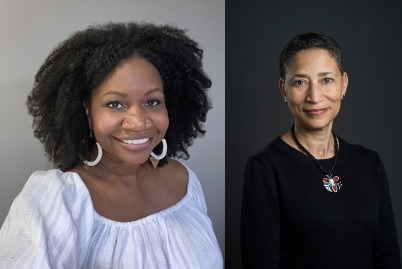
Scholars Deirdre Cooper Owens and Lynn Roberts discuss how slavery and the history of reproductive medicine intersect, the impact of medical racism on Black birthing people, and recent efforts to address racial inequalities in maternal mortality and morbidity.
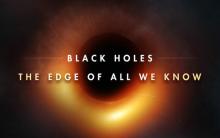
Watch Peter Galison as he discusses his latest film with esteemed colleagues Lorraine Daston and Simon Schaffer, and then answers questions about the film from friends of the Consortium.
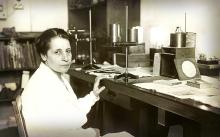
Watch Peter Sachs Collopy, Michael Chwe, Ruth Lewin Sime, and Robert Marc Friedman and they discuss justice and injustice in science, with specific reference to the "Meitner Scandal" and the re-evaluation of Robert Millikan's troubling legacy. Susan Lindee moderates the panel, and Sue V. Rosser provides commentary and discussion.
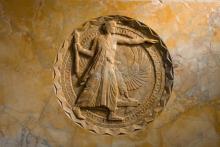
The Albert M. Greenfield Forum in History of Science: Ruth Schwartz Cowan, Daniel J. Kevles and Peter Westwick preview their book on the history of the U.S. National Academy of Sciences.
Laura Stark tells the story of normal control subjects at NIH, which helps expose changes in economic and political structures of science and of American life.
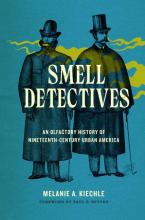
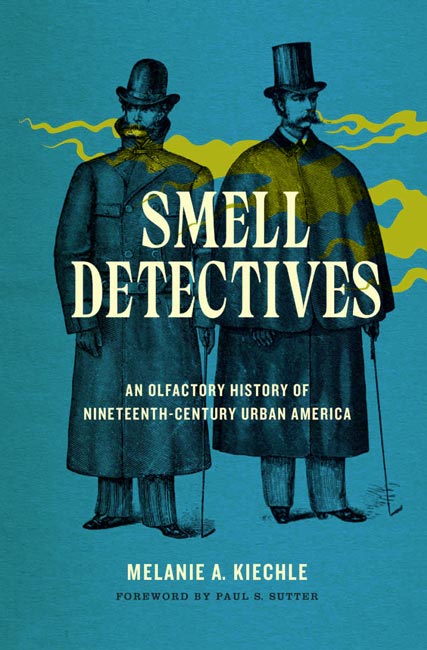
Join historian Melanie Kiechle as she delves into the history of health and sensory perception in 19th century urban environments.
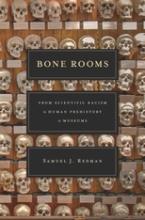
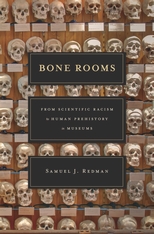
In Bone Rooms, Samuel Redman explores the history of human remains collecting. The collection and display of bodily remains became central to debates about ethics, repatriation, and scientific authority that continue today.
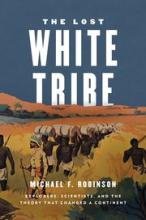
In this podcast episode, we discuss the history of how biblical notions of race influenced European understandings of Africa.

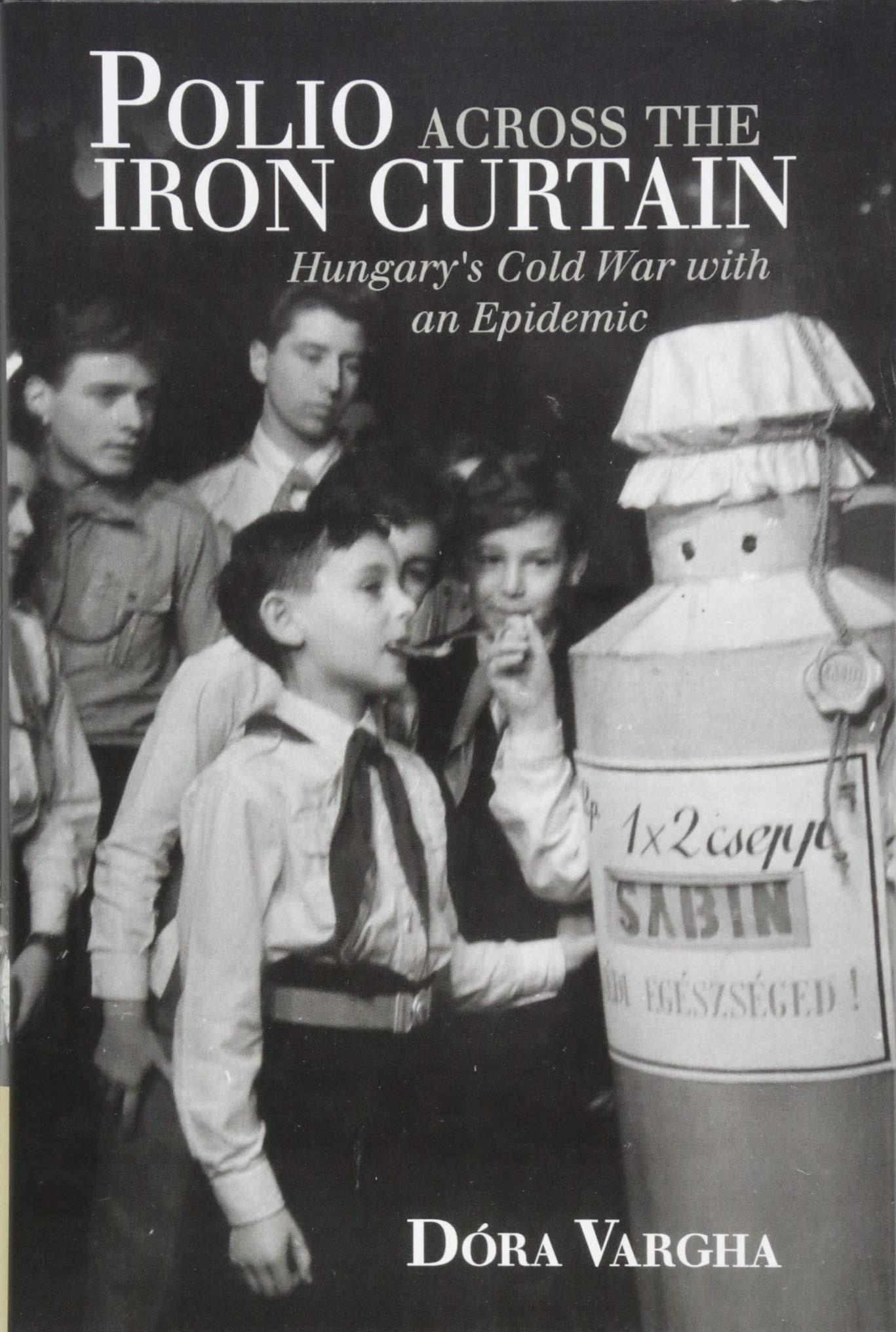
Dóra Vargha uses a series of polio epidemics in communist Hungary to understand the response to a global public health emergency in the midst of the Cold War.

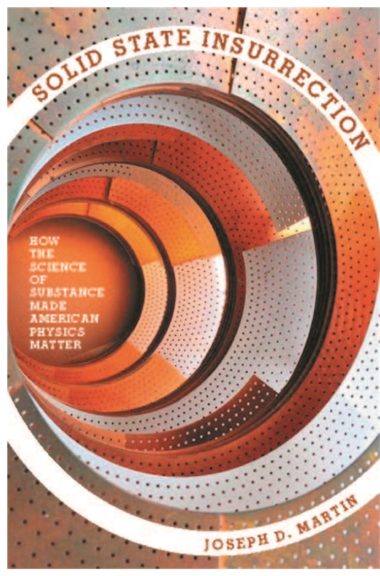
Joseph Martin tells the story of how solid state physics challenged and redefined some of the core ideals of American physics, and in the process played an essential role in sustaining the prestige physics enjoyed in Cold War American society.
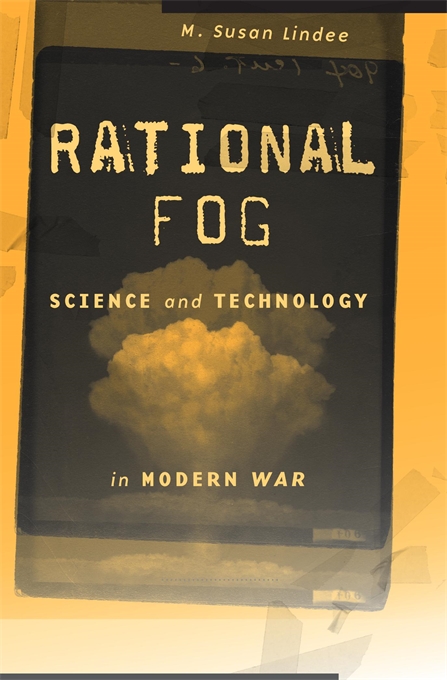
Listen to historian Susan Lindee as she discusses how the military establishment transformed science and technology, interrogates why the victims of technologies of war are often left out of our historical accounts, and questions whether growing defense budgets are in society's best interests.
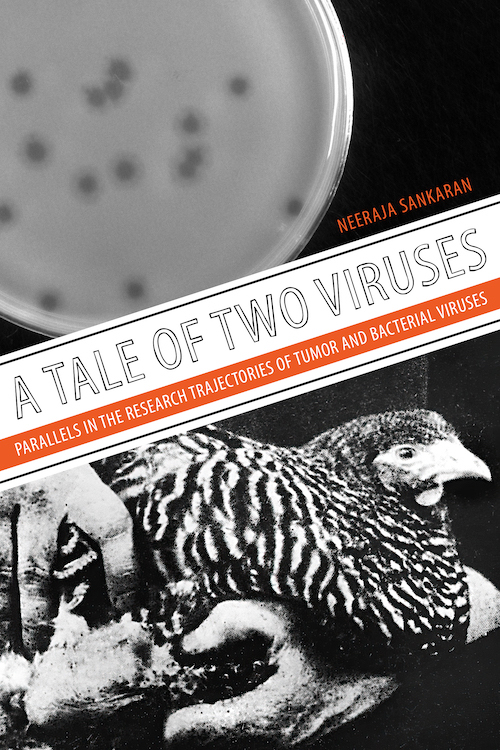
Neeraja Sankaran provides a novel approach to the history of the development of medical virology by comparing the history of two groups of medically important viruses: bacteriophages and sarcoma agents.

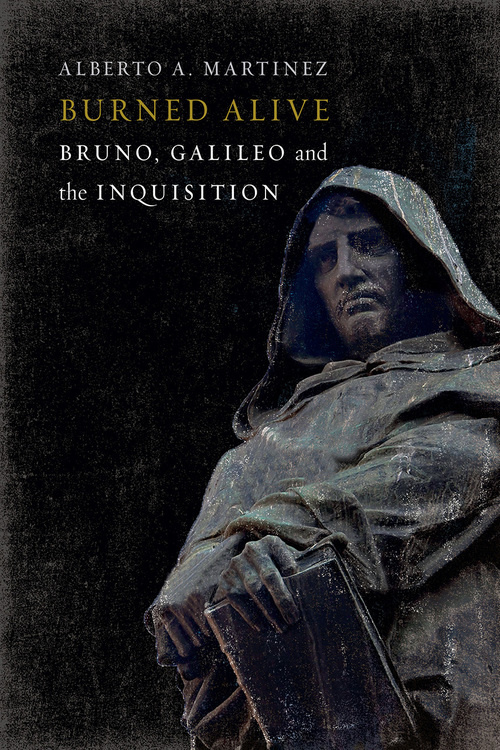
Listen to historian Alberto Martínez as he discusses the ways in which the visionary discoveries of Giordano Bruno were unfairly discredited and excised from history in a centuries-long campaign against the heterodox philosopher and cosmologist.
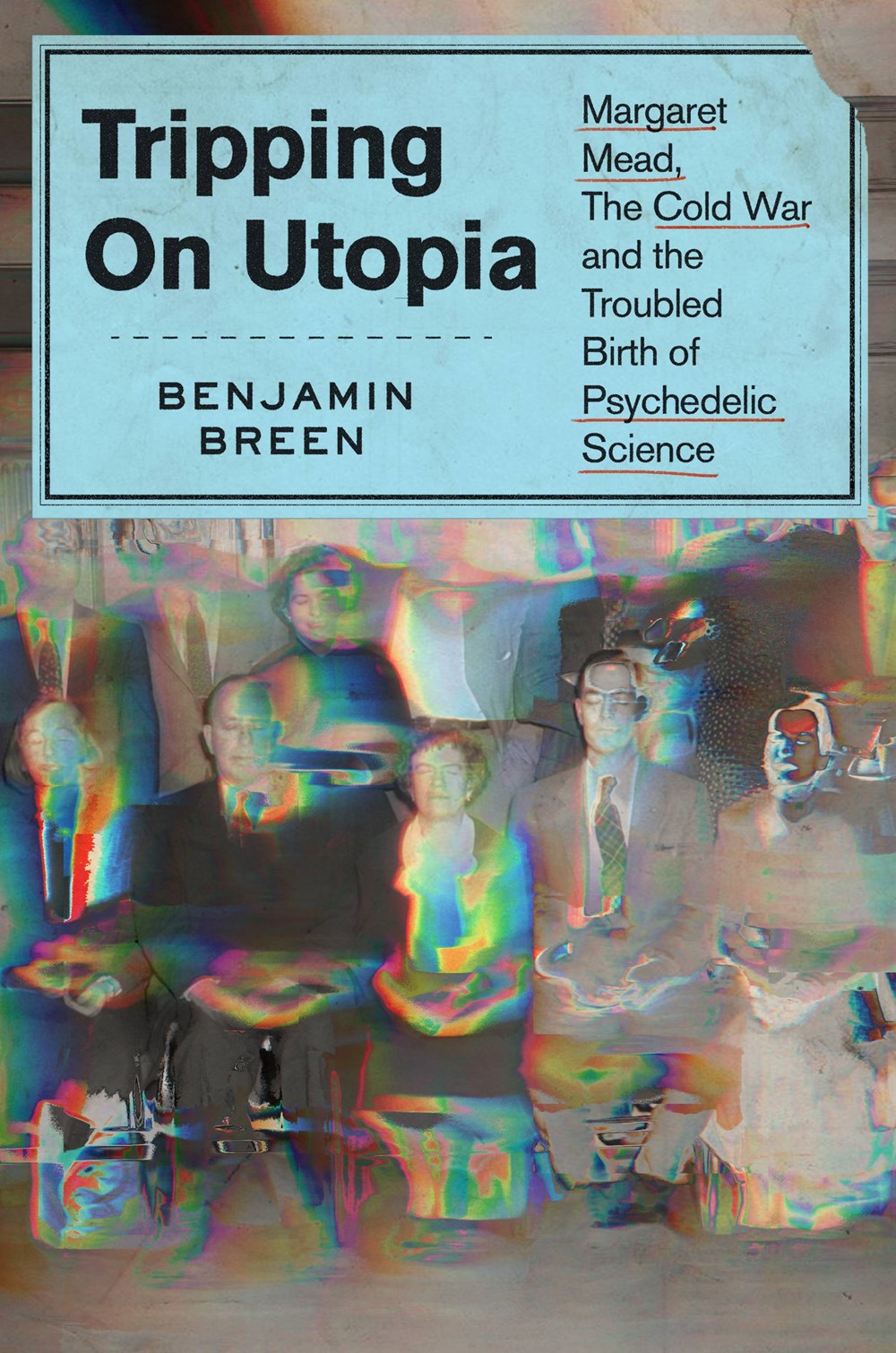
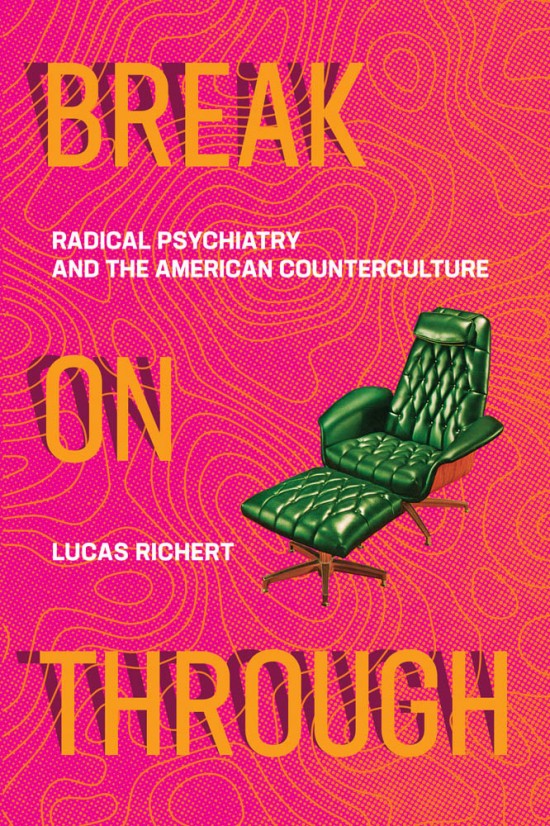
Lucas Richert discusses the theory and practice of psychiatry in the 1960s and 1970s, exploring the ways that radical psychiatry and the counterculture changed the discipline.
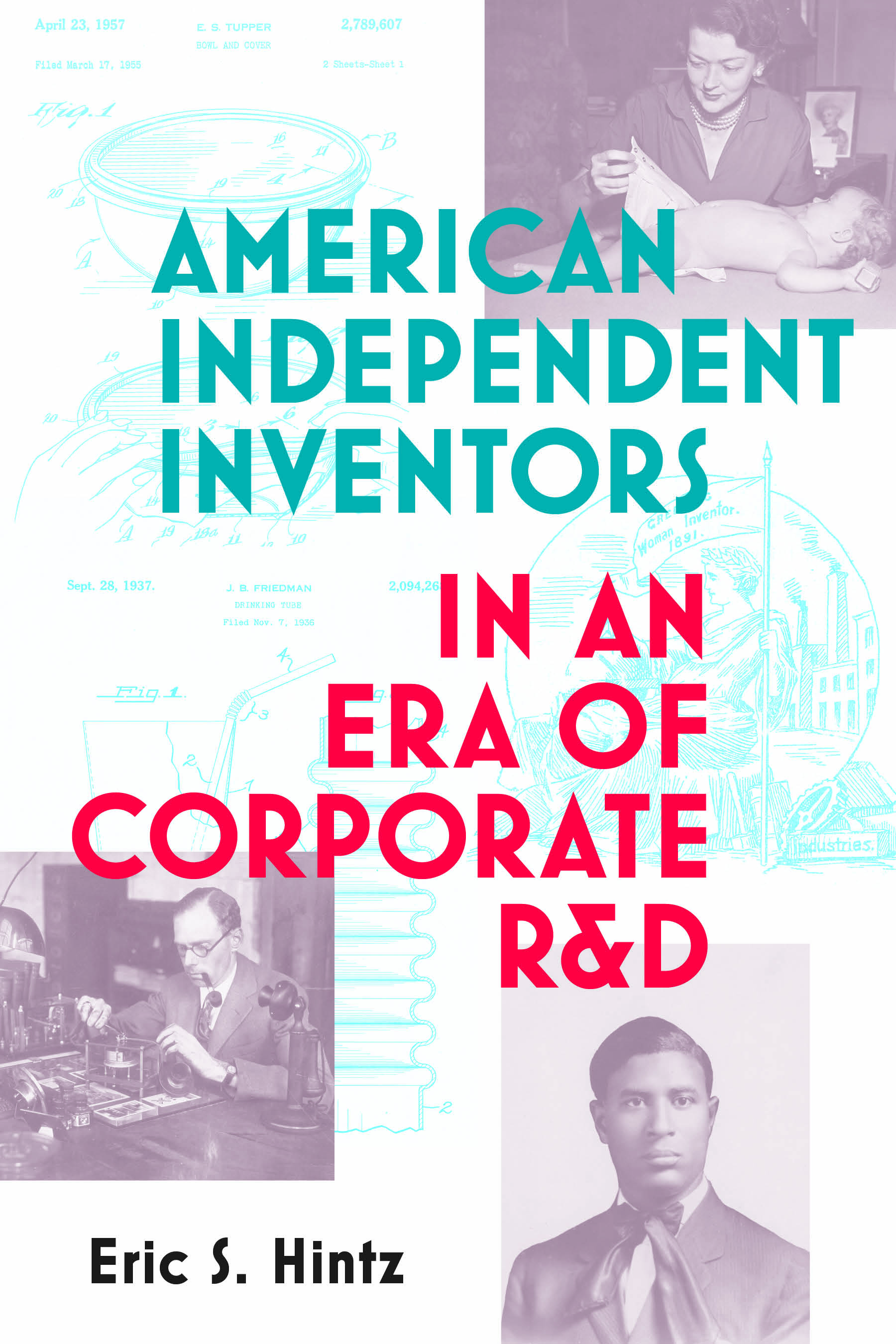
Eric Hintz explores the history of independent inventors, their complex relationship with corporate America, and their resurgence in the late 20th and 21st centuries.
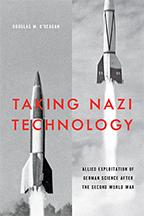
Douglas O'Reagan discusses the Allied effort to appropriate German science, technology, and industrial capability during and after World War II.
Stephen Weldon discusses the history of the humanist movement in America and the ways in which its "scientific spirit" became central to American liberal culture and values.
Adam R. Shapiro examines the Scopes Trial and the antievolution movement in America from a new vantage point, turning to the early twentieth century science textbook industry and push for compulsory education to understand the battle over what was taught in America's schools.

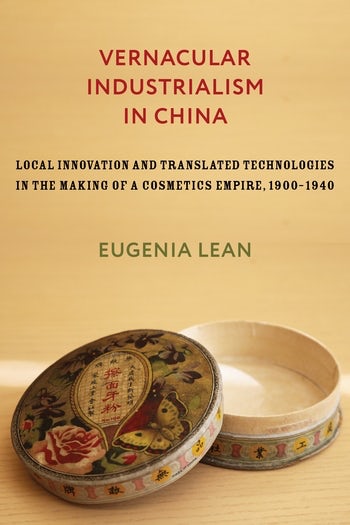
Eugenia Lean explores the transformation of Chinese industry in the early twentieth century. Lean demonstrates the importance of culture and knowledge production to China's industrial, technological, and economic development.
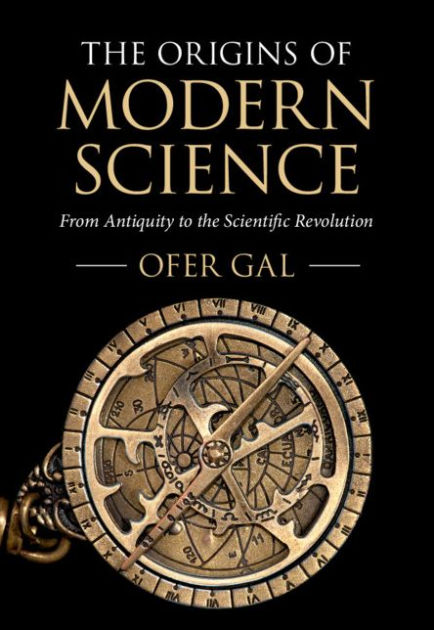
Listen in as professor of History and Philosophy of Science Ofer Gal offers a peek into his exploration of science as a global cultural phenomenon.
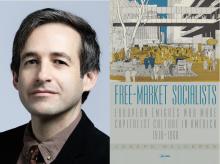
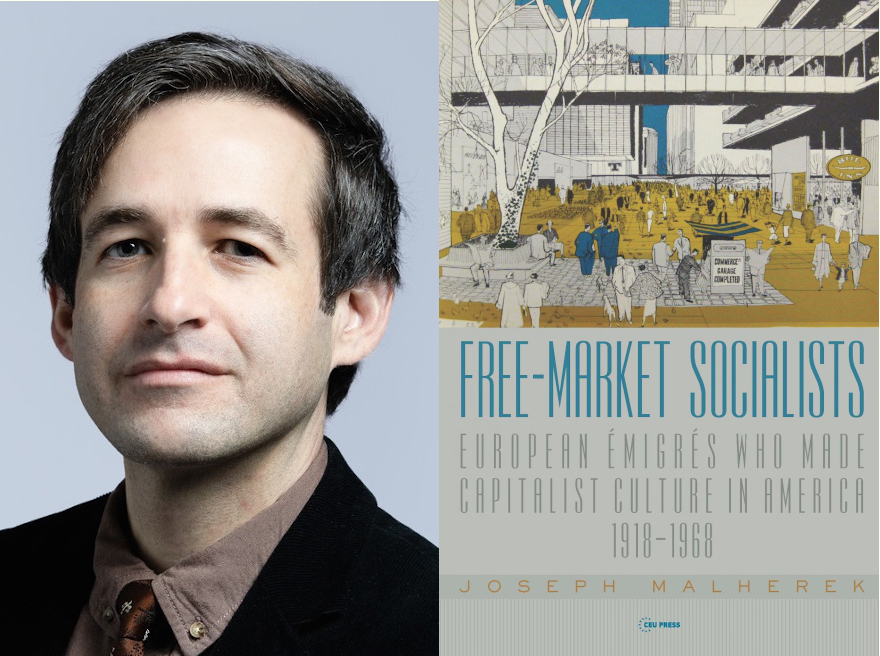
Joseph Malherek explains the socialist roots of U.S. social research. He charts the lives and careers of Hungarian artist-designer László Moholy-Nagy, the Austrian sociologist Paul Lazarsfeld, and his fellow Viennese Victor Gruen—an architect and urban planner—to tell the story an intellectual migration from Central Europe to the United States. These figures sought answers to the question: why do people do the things they do and make the economic decisions they make? Malherek demonstrates how U.S. businesses channeled socialist thought for creative solutions to the practical problems of industrial design, urban planning, and consumer behavior.
 Christopher Heaney describes how South American ancestors became coveted mummies, skulls, and specimens of knowledge and nationhood.
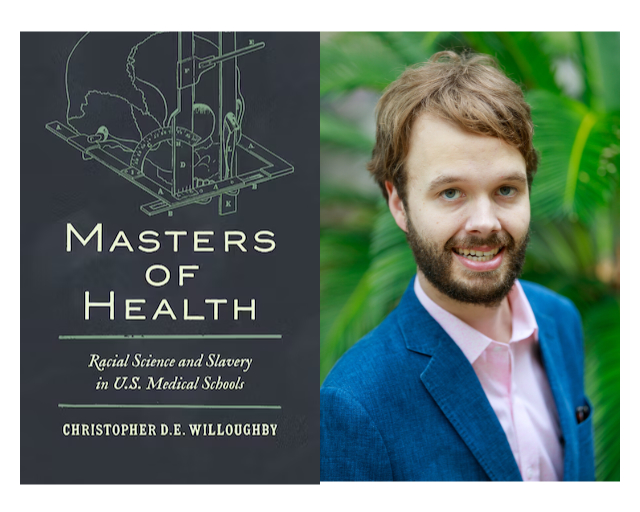
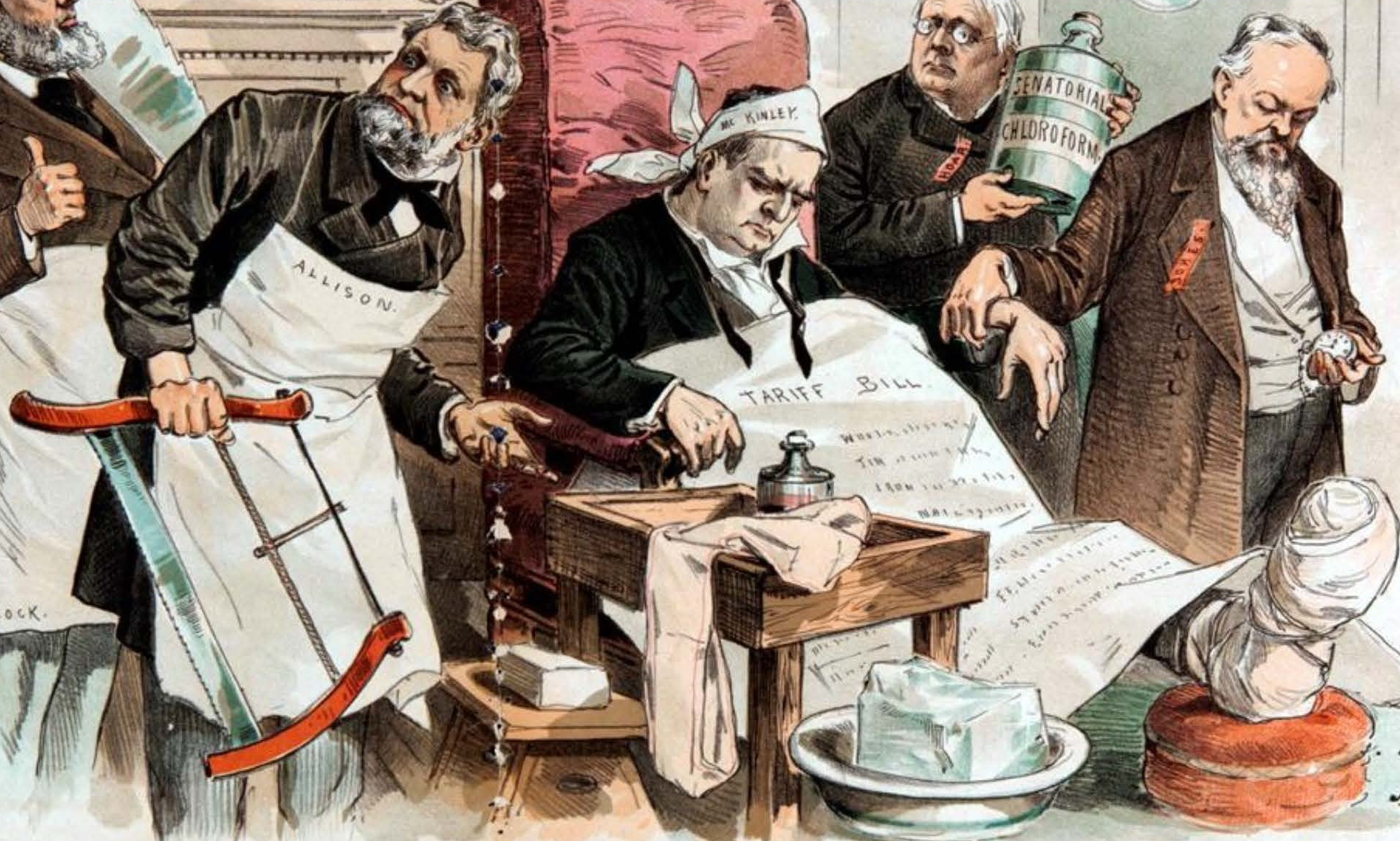
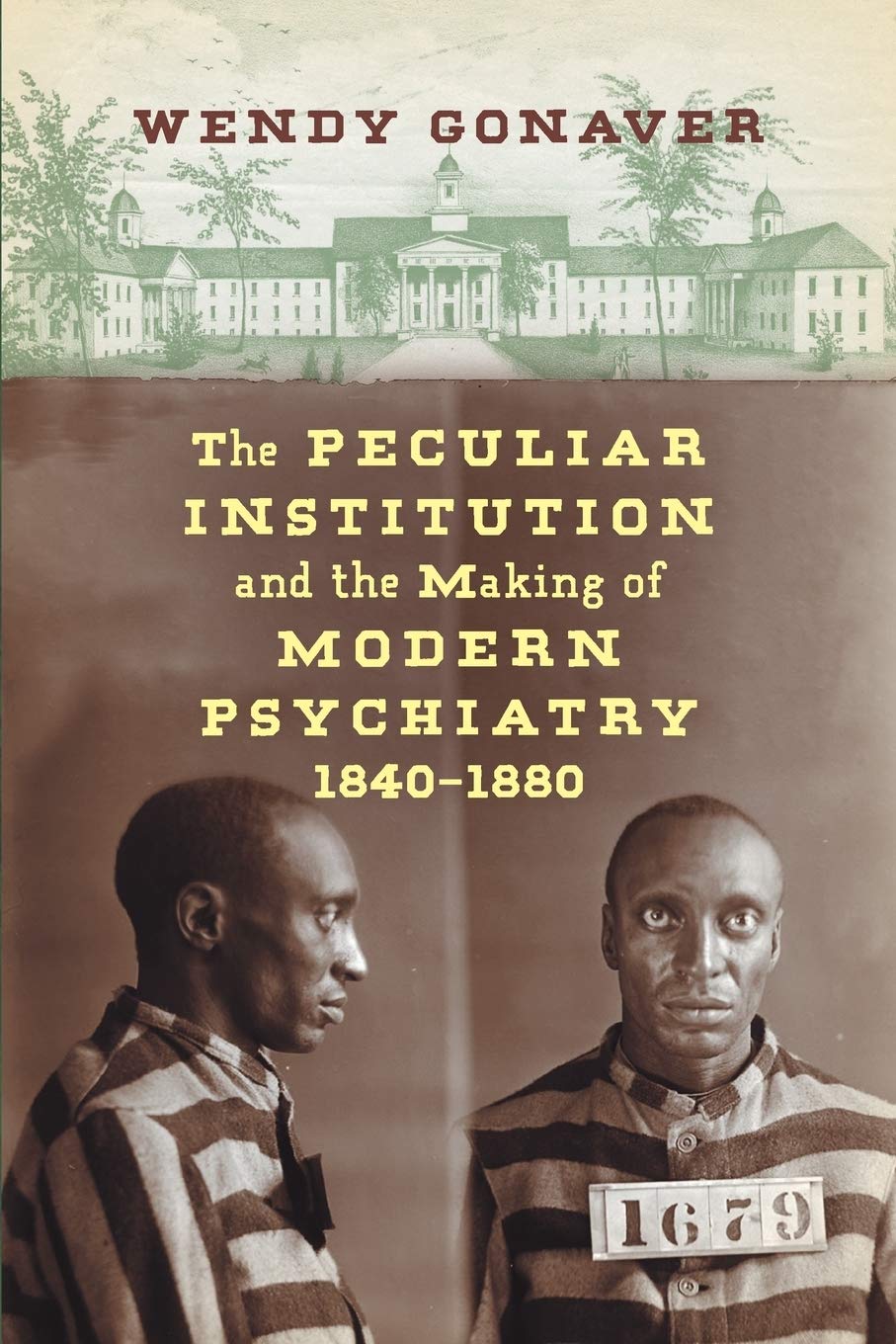
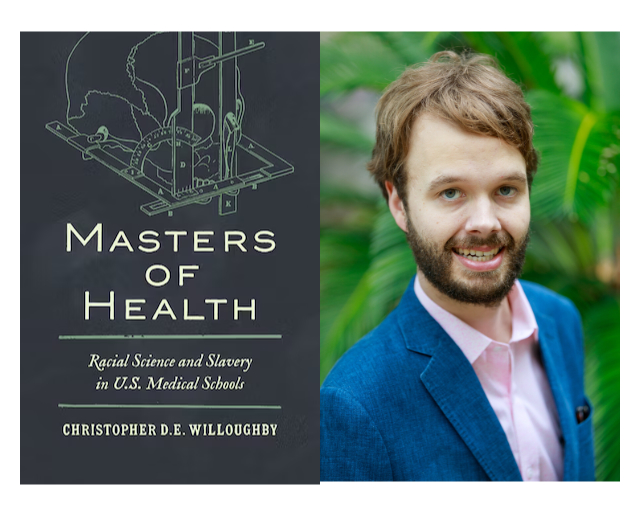 Masters of Health charts the rise of racist theories in U.S. medical schools, examining the extensive legacies of slavery in modern medicine.
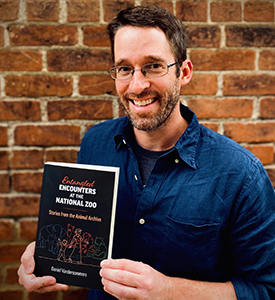
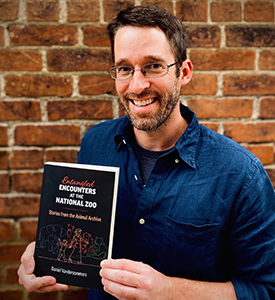 Daniel Vandersommers shows how the popular zoology fostered by the National Zoo shaped American science, culture, and conservation during the Gilded Age and Progressive Era.
 Rena Selya examines the life of Nobel-winning biologist Salvador Luria, whose passion for science was equaled by his commitment to political engagement in Cold War America.
 Donald L. Opitz discusses his book project, Daughters of Ceres: The Scientific Advancement of Women in Horticulture, 1870–1920 .
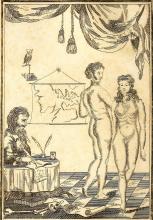
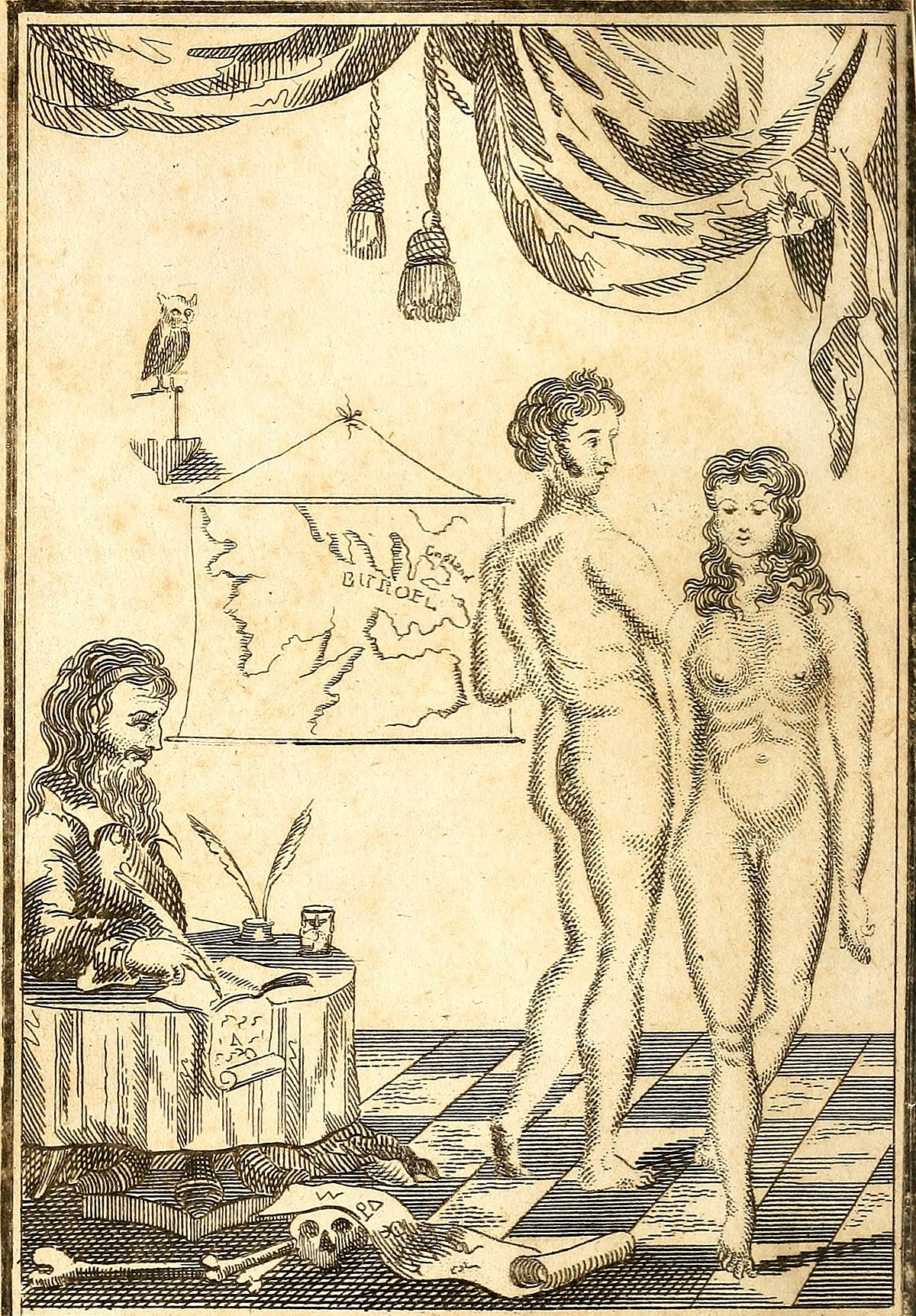
Follow along with Professor Mary Fissell as she discusses her research on Aristotle's Masterpiece, a late 17th century English sex and midwifery manual.
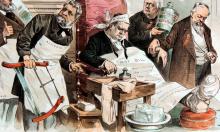
Bert Hansen guides us through his donated collection of images of medical treatments and technologies found in nineteenth century mass media publications.
Otto Lummer (1860-1925), at Breslau on his 60th Birthday
Image courtesy of the American Philosophical Society
© 2026 Consortium for History of Science, Technology and Medicine | Copyright Infringement