Image
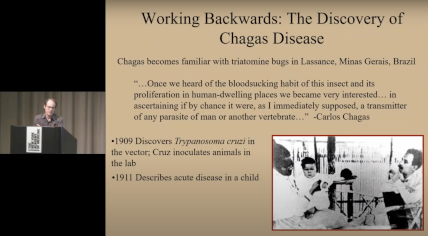
Michael Levy speaking at the Sickness and the City event, held at the New York Academy of Medicine on October 24, 2018.

PhD candidate in Department of Art History and Archaeology, Columbia University
Contagious Places, Curative Spaces: Disease in the Making of Modern Chinese Architecture, 1894-1949
In 1894, as outbreaks of the Third Plague Pandemic ravaged British colonial Hong Kong, medical experts working on the ground uncovered the bacterial mechanics of plague transmission. The first significant public health changes on the heels of this development were directed at the built environment, and in this way, bacterial transmission redefined hygienic space, prompting architects, physicians, land-surveyors, and engineers to integrate new understandings of disease into their work. This dissertation traces the merging of medical and architectural expertise, first in Hong Kong and eventually in the nascent Republic of China (1912–1949). Elsewhere within architectural history, hygiene’s stakes are well-established but predominantly address miasmic understandings of disease. In contrast, this project examines how, in the age of germ theory, medical experts and professional architects in Greater China introduced new scales of built interventions, managing outbreaks and modulating between tradition and modernity, all along racialized, classed, and civic lines.
Michael Levy speaking at the Sickness and the City event, held at the New York Academy of Medicine on October 24, 2018.
© 2026 Consortium for History of Science, Technology and Medicine | Copyright Infringement