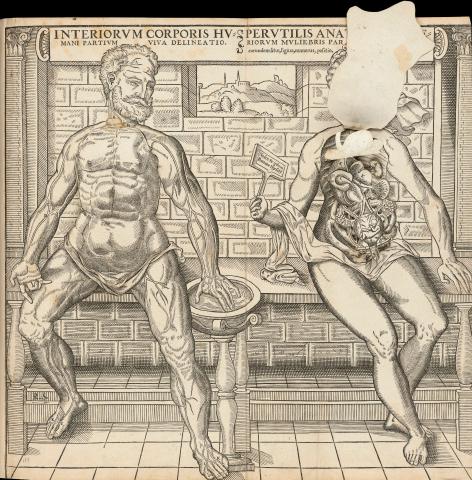
In slowly unfolding environmental disasters such as those at Love Canal and Flint, authorities have repeatedly minimized and ignored the sensory experiences of women and racial minorities, as if these groups are incapable of understanding their own bodies. Desensitizing Health investigates the origins and consequences of what I call the gendered and raced sensorium—the belief that genders and races sense differently and are differently sensitive. This book project explores the history of sensitivity from the late eighteenth century, when ideas about nerves transformed sensitivity from a moral virtue into a physical weakness, through the rise of institutionalized public health and bacteriology at the start of the twentieth century. By placing changing scientific ideas and medical practices in conversation with popular culture and environmental changes, I explain why our society keeps making the same mistaken assumptions about sensory evaluations, to the detriment of both human and environmental health.